A little preparation can make the trip feel more manageable. Before heading to the airport, take time to confirm your flight details, pack with your interview schedule in mind, and keep your key contact information easy to access.
Check In Before Your Flight
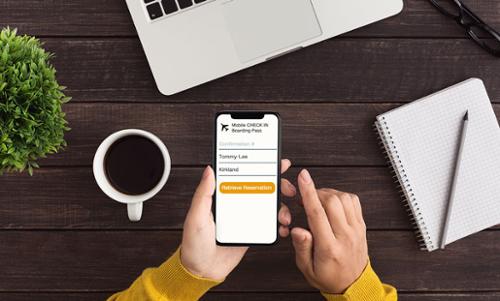
Most airlines allow travelers to check in online or through the airline’s mobile app beginning 24 hours before departure. Checking in early can help confirm your reservation, secure your boarding pass, and review your seat assignment.
This is also a good time to make sure your name on the ticket matches your identification, confirm your flight time, and download the airline’s app if you have not already. Airline apps are often the fastest way to receive gate updates, delay notifications, boarding information, and baggage tracking details.
If seat selection is available, choose a seat that supports your travel plans. For example, an aisle seat may make it easier to get off the plane quickly if you have a tight schedule. If you have a connection, review the airport map in advance so you know where you are headed once you land.
Confirm Your Identification Before You Leave
Before traveling, make sure you have an acceptable form of identification for airport security. For domestic flights, travelers 18 and older must present a REAL ID-compliant license or another acceptable form of identification, such as a passport.
It is also smart to keep your ID, boarding pass, wallet, phone, and charger in an easy-to-reach place. Avoid packing these items in a checked bag or deep inside your luggage.
Pack With the Interview in Mind
When traveling for a physician interview, pack for both the flight and the visit. That means thinking beyond what you need on the plane.
For the flight itself, consider bringing items that make travel more comfortable, such as headphones, a book, tablet, downloaded materials, snacks, or a refillable water bottle to fill after security. If you plan to work during the flight, download any documents you may need before boarding in case Wi-Fi is unavailable or unreliable.
You should also review your airline’s carry-on and checked baggage rules before packing. Bag size, weight limits, and fees can vary by airline and ticket type. If possible, avoid overpacking so you can move through the airport more easily.
Keep Interview Essentials in Your Carry-On
If you are checking luggage, do not place your interview essentials in your checked bag. Flight delays and baggage issues can happen, and you do not want to arrive without the materials or clothing you need.
Keep these items in your carry-on or personal item:
Your interview outfit or a backup professional option
Copies of your CV
A list of questions for the employer
Your itinerary and interview schedule
Contact information for your recruiter or main point of contact
Any presentation materials, notes, or documents requested by the employer
Professional shoes, basic toiletries, and medications
If your interview begins the same day you arrive, this step is especially important. Even if your checked bag is delayed, you will still have what you need to show up prepared.
Review TSA Rules Before Packing
TSA rules can affect what you pack in your carry-on. Liquids, gels, aerosols, creams, and pastes in carry-on bags generally need to follow the 3-1-1 rule: containers must be 3.4 ounces or less, fit inside one quart-sized bag, and be limited to one bag per traveler.
Medications and medically necessary liquids may have different screening rules, so review TSA guidance before flying if you need to bring them. You can also check TSA’s “What Can I Bring?” tool if you are unsure whether an item belongs in your carry-on or checked luggage.
Arrive Early and Build in Extra Time
Airport timing can vary based on the airport, time of day, security lines, parking, checked bags, and whether you are using TSA PreCheck. Give yourself enough time to check a bag, get through security, find your gate, and handle any unexpected delays.
If you are not familiar with the airport, add extra time. A rushed airport experience can create unnecessary stress before an interview. Arriving early also gives you time to get settled, review your itinerary, and make sure your phone is charged before boarding.
Have a Plan for Flight Changes
Weather, mechanical issues, staffing delays, and air traffic disruptions can affect travel. Before your trip, save your point of contact’s phone number and email address in your phone. You may also want to keep a printed copy of your itinerary in your carry-on.
If your flight is delayed or canceled, notify your point of contact as soon as possible. This gives the employer or recruiter time to adjust your schedule, update transportation plans, or move meetings if needed.
When possible, avoid booking the last flight of the day before an important interview. Earlier flights may provide more options if your original flight changes.
Prepare for the Interview Before You Travel
The best travel plan supports the bigger goal: arriving ready for the interview. Before you leave, review the organization, role details, location, compensation structure, call expectations, and any questions you want to ask.
You may also want to research the community if relocation is part of the opportunity. Look at commute times, housing options, schools, nearby amenities, and what daily life may look like outside the clinical setting. On-site interviews are not only about whether the employer is interested in you. They are also a chance to decide whether the role, organization, and community are right for your career and lifestyle.
Make the Most of Your Physician Interview Trip
Traveling for a physician interview can feel like a lot to manage, but preparation can reduce stress and help you stay focused. Check in early, keep important items with you, review airport requirements, and communicate quickly if plans change.
The more prepared you are before the trip, the easier it is to focus on the conversations that matter most.
Ready to Explore Your Next Physician Opportunity?
PracticeMatch helps physicians search career opportunities by specialty, location, and practice setting. Whether you are actively interviewing or starting to explore what is available, you can browse physician jobs and connect with employers looking for candidates like you.
.png)
Shelby Calvin is the Director of Career Fairs & Provider Sourcing at PracticeMatch. She leads the team behind PracticeMatch's in-person and virtual career fairs, helping connect physicians, residents, and fellows with career opportunities nationwide.